

If you’re looking for a syrup that bursts with bright citrus flavor but still brings a natural sweetness that’s totally irresistible, then you’re going to love my Grapefruit Honey Cheong Syrup Recipe. This homemade syrup is one of those gems I discovered after fiddling around with different fruit and sweetener combos. It’s incredibly versatile, tastes fresh with a hint of floral honey, and makes your drinks or desserts pop with flavor. Keep reading, and I’ll walk you through everything you need to know to nail it at home.
Why You’ll Love This Recipe
- Natural Brightness: The fresh grapefruit punch combines perfectly with the mellow honey sweetness.
- Easy Hands-On Prep: You break up the pulp by hand for a textured, homemade feel, no fancy tools needed.
- Long-Lasting Goodness: Keeps up to 3 months in your fridge, making it perfect to stock up and enjoy anytime.
- Versatility: Great in cocktails, drizzle on desserts, or even mixed into tea for a refreshing twist.

Ingredients You’ll Need
This recipe keeps things wonderfully simple but packs a flavorful punch. The combination of fresh grapefruit with both honey and turbinado sugar balances tartness and sweetness beautifully. When shopping, look for ripe, fragrant grapefruits for maximum juice and flavor.

- Grapefruits: Fresh is best—choose ones heavy for their size with a firm feel, indicating juiciness.
- Honey: Use a mild-flavored honey to complement without overpowering; wildflower or clover honey works great.
- Turbinado sugar: I love turbinado for its subtle molasses notes that deepen the flavor; if you don’t have it, white sugar works too.
Variations
I’m all about tweaking this recipe depending on your taste buds or pantry supplies. Feel free to experiment with the sweeteners or add a little zing with spices—it always changes things up deliciously.
- Only Honey or Only Sugar: I used to make it just using honey for a pure floral sweetness; it’s smoother but less textured.
- Adding Ginger: For a little extra warmth, I’ve tossed in finely grated fresh ginger—it adds a spicy kick that’s perfect in winter cocktails.
- Adjusting Sweetness: If you like it tart, reduce the sugar slightly to let the grapefruit shine; I usually stick to the 1:1 ratio for balance.
How to Make Grapefruit Honey Cheong Syrup Recipe
Step 1: Peel and Prepare the Grapefruit
Start by peeling your grapefruits carefully. You want to remove as much of the white pith as possible because it can add bitterness. Then, peel off the thin membrane surrounding each grapefruit segment and take out any seeds. This part is a bit time-consuming, but trust me, it’s worth it for a smooth, clean taste in your syrup.
Step 2: Mix in the Sweeteners and Break Up the Pulp
Once your grapefruit is ready, add the honey and turbinado sugar. I recommend splitting the sweeteners evenly, but you can adjust based on what you have or prefer. Then, here’s my favorite part: use your hands (I always wear gloves!) to break up the pulp and squeeze the juice out gently as you mix everything. This speeds up the process and helps everything meld together beautifully.
Step 3: Store and Let It Rest
Transfer your cheong into a sanitized airtight glass jar. While you can use it immediately, I’ve found that letting it rest in the fridge for about a week really deepens the flavors and softens the bitterness. It keeps beautifully for up to 3 months, so feel free to make a batch and enjoy it gradually.
Pro Tips for Making Grapefruit Honey Cheong Syrup Recipe
- Use Gloves While Mixing: Protect your skin from the citric acid and make it easier to squeeze the pulp without sticky hands.
- Remove Pith Thoroughly: I learned the hard way that leaving pith on makes the syrup bitter—take your time here.
- Balance Sweeteners: Combining honey with turbinado sugar gives you natural floral notes plus a satisfying texture.
- Sanitize Your Jar: It prevents any unwanted fermentation and helps your syrup last longer.
How to Serve Grapefruit Honey Cheong Syrup Recipe

Garnishes
I usually garnish with a thin slice of fresh grapefruit or a sprig of mint when serving drinks with this syrup. The citrus slice adds a pretty visual and a little extra zest, while mint brings a cool contrast that pairs beautifully with the syrup’s brightness.
Side Dishes
This syrup shines when paired with light, fresh dishes—like citrus salads, yogurt parfaits, or even drizzled over a fluffy stack of pancakes. I particularly like serving it alongside spicy Korean fried chicken for an exciting sweet-tart counterpoint.
Creative Ways to Present
For a special brunch or party, try serving the grapefruit honey cheong syrup in a pretty glass bottle with a handwritten label. Pair it with a DIY beverage station where guests can mix cocktails or sparkling water with it. I also love swirling a spoonful over vanilla ice cream and topping with toasted nuts for a simple yet impressive dessert.
Make Ahead and Storage
Storing Leftovers
I keep my leftover grapefruit honey cheong syrup in a clean glass jar sealed tightly in the fridge. It stays fresh and flavorful for up to 3 months—longer than I initially expected! Just give it a good stir before using.
Freezing
While I haven’t frozen it myself often, you technically can freeze the syrup in ice cube trays for smaller portions. Just thaw in the fridge and stir before use—though I recommend fresh whenever possible for the best texture.
Reheating
If you want to warm it up to mix into drinks or desserts, do so gently over low heat. Avoid boiling because intense heat can break down the honey’s flavor and cause a bitter taste.
FAQs
-
Can I use other citrus fruits instead of grapefruit?
Absolutely! While grapefruit offers a lovely tang and bitterness balance, you can experiment with oranges, lemons, or even pomelo. Just adjust the sweetness ratio since different fruits have varying acidity levels.
-
Why do I need to remove the white pith from the grapefruit?
The white pith is quite bitter and can negatively impact the flavor of your syrup. Removing it as thoroughly as possible ensures your syrup stays bright and fresh-tasting rather than sour and harsh.
-
How long does grapefruit honey cheong syrup last in the fridge?
Stored in an airtight glass container, it can keep for up to 3 months. Just be sure to use a sanitized jar and keep it chilled to maintain freshness and flavor.
-
Can I substitute the turbinado sugar with regular white sugar?
Yes, you can—but turbinado sugar adds a slight molasses flavor that enhances the syrup’s depth. White sugar works fine in a pinch if you want a cleaner, simpler sweetness.
-
Is it necessary to let the syrup rest before using?
It’s not absolutely necessary, but I’ve found that resting in the fridge for about a week helps the flavors marry and deepens the taste while mellowing out any sharp bitterness.
Final Thoughts
I absolutely love how this Grapefruit Honey Cheong Syrup Recipe turns out every time—bright, floral, and perfectly balanced. When I first tried making it, I struggled with bitterness until I learned to be patient peeling off the pith and letting it rest. Now, it’s a staple in my kitchen, adding a beautiful twist to simple drinks and desserts alike. You’re going to enjoy making this one; it’s like bottling sunshine in a jar. Give it a try, and I promise it’ll become one of your favorite homemade syrups too!
Print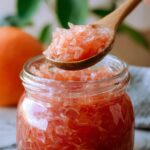
Grapefruit Honey Cheong Syrup Recipe
- Prep Time: 30 minutes
- Cook Time: 0 minutes
- Total Time: 30 minutes
- Yield: About 2 lbs (approximately a 32 oz jar)
- Category: Sauce/Syrup
- Method: No-Cook
- Cuisine: Korean
- Diet: Halal
Description
Grapefruit Honey Cheong is a sweet and tangy Korean-style syrup made by combining fresh grapefruit pulp with honey and turbinado sugar. This versatile syrup can be used to enhance beverages, desserts, and marinades, offering a natural citrus sweetness balanced with rich honey flavor.
Ingredients
Fruit
- 2 grapefruits
Sweeteners
- 1/2 lb honey
- 1/2 lb turbinado sugar (or white sugar, turbinado recommended for better flavor)
Instructions
- Peel the Grapefruit: Carefully peel the grapefruits, removing as much of the white pith as possible to avoid bitterness.
- Remove Membrane and Seeds: Peel off the skin and membrane surrounding the pulp segments and remove any seeds to ensure a smooth texture in the syrup.
- Add Sweeteners: Combine the grapefruit pulp with honey and turbinado sugar. You may choose to use only honey or only sugar, but the total ratio of grapefruit to sweetener should be 1:1. The recipe recommends an equal split of honey and turbinado sugar for balanced flavor.
- Mix and Break Up Pulp: Thoroughly mix the ingredients, breaking up the grapefruit pulp as much as possible. For best results, use gloved hands to squeeze the juice out of the pulp while breaking it down to speed up the process.
- Store Properly: Transfer the mixture into a sanitized, airtight glass container and refrigerate. Allow it to rest for one week to develop the best flavor, although it can be used immediately. The syrup will keep refrigerated for up to three months.
Notes
- The ratio of grapefruit to sweetener should always be 1:1 by weight.
- You can adjust the sweetness by using only honey or only sugar if preferred.
- Wear gloves when squeezing the pulp to avoid irritation from grapefruit oils.
- The syrup develops deeper flavor if kept refrigerated for 1 week before use.
- Use a clean, air-tight container to preserve freshness and extend shelf life up to 3 months.
Nutrition
- Serving Size: 2 tbsp (about 30 g)
- Calories: 80
- Sugar: 19 g
- Sodium: 0 mg
- Fat: 0 g
- Saturated Fat: 0 g
- Unsaturated Fat: 0 g
- Trans Fat: 0 g
- Carbohydrates: 21 g
- Fiber: 1 g
- Protein: 0 g
- Cholesterol: 0 mg