
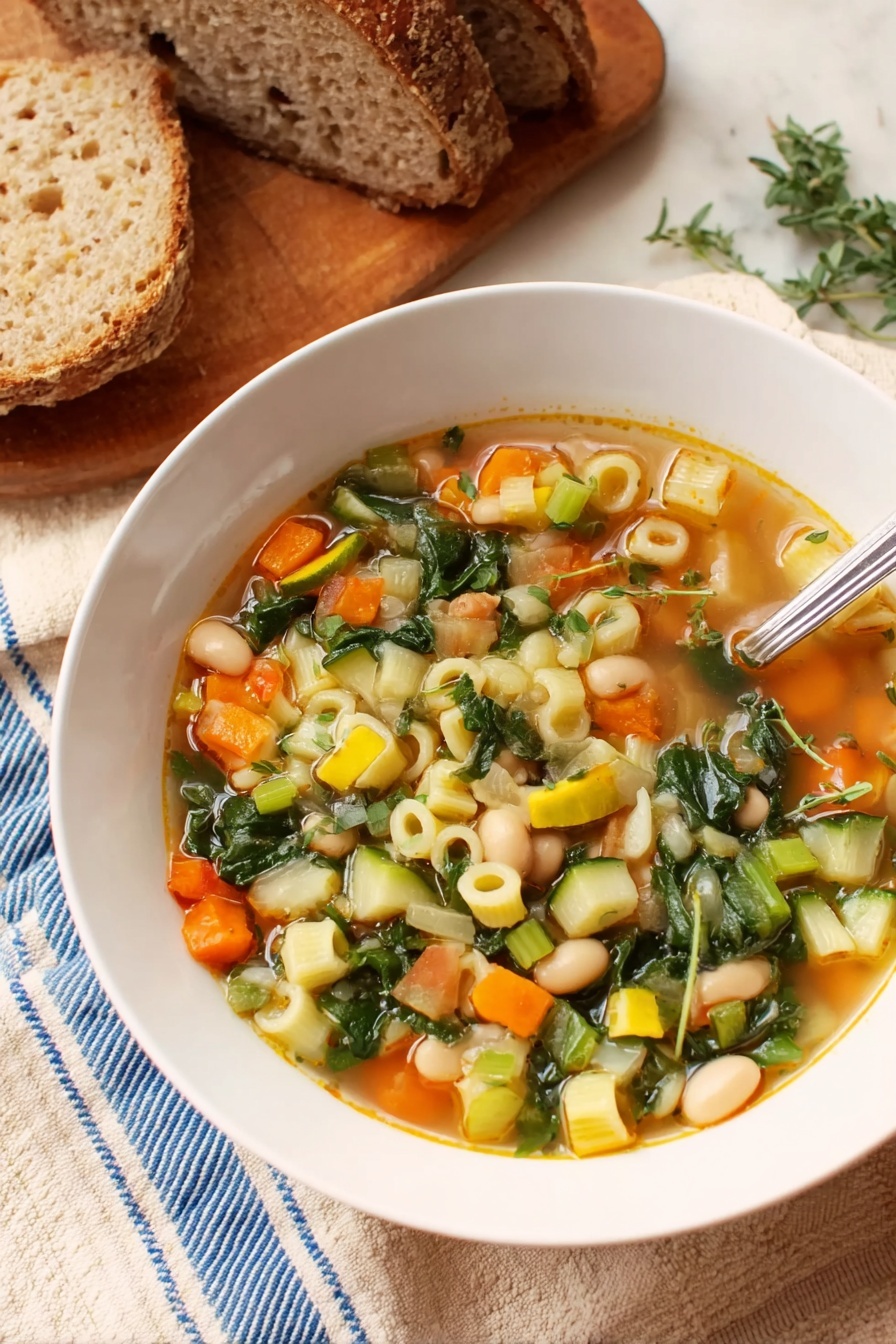
I absolutely love sharing my take on this **Hearty Minestrone Soup with Fresh Vegetables Recipe** because it’s one of those comforting, soul-warming dishes that somehow tastes even better the next day. When I first tried this recipe, I was amazed at how perfectly the fresh veggies and beans meld together with a ripe tomato base and just the right seasoning—it’s like a hug in a bowl. Whether you’re craving something nutritious after a long day or want to impress family and friends with a wholesome homemade meal, this recipe has got you covered. Keep reading, and I’ll walk you through every step so your minestrone comes out just right.
Why You’ll Love This Recipe
- Rich Flavor from Scratch: Slow-simmered beans and fresh veggies build a depth you won’t find in store-bought soups.
- Flexible Ingredients: Whether you have pancetta or prefer it vegetarian, you’ll find ways to make this your own.
- Hearty and Healthy: Packed with fresh vegetables, beans, and herbs, it’s both filling and nourishing.
- Make-Ahead Friendly: It tastes even better after a day in the fridge or frozen for future meals.

Ingredients You’ll Need
The beauty of this Hearty Minestrone Soup with Fresh Vegetables Recipe is in its simple, hearty ingredients that blend beautifully. When shopping, look for really fresh veggies and ripe ripe roma tomatoes for that perfect balance of sweetness and acidity. And if you can find a Parmesan rind, grab it—it adds such a unique depth.
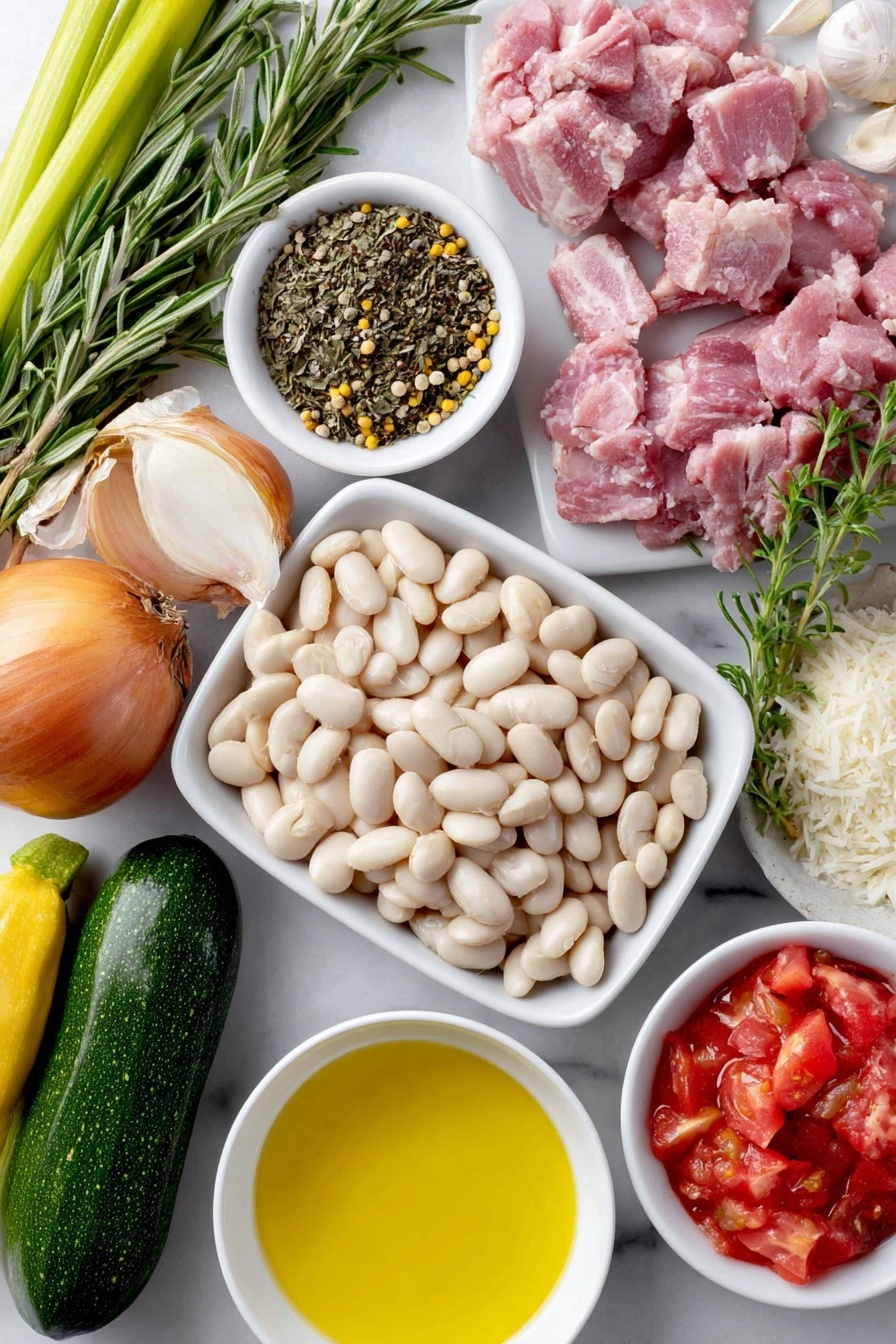
- Dried beans (cannellini, borlotti, or kidney): Soaking these overnight softens them perfectly—don’t skip this step unless using canned beans.
- Onion and celery: These build the aromatic foundation of your soup’s flavor.
- Carrots: They add sweetness and color that brighten up the broth.
- Garlic: Fresh cloves bring that essential punch to the soup—mince finely for best results.
- Fresh rosemary and parsley: Herbs lift this soup with fresh, piney notes—always use fresh if possible.
- Bay leaf: Used in the bean cooking step to add subtle background flavor.
- Salt pork or pancetta (optional): If you like a smoky, rich undertone, this is a game-changer.
- Extra-virgin olive oil: Essential for sautéing and adding silkiness to your broth.
- Ripe Roma tomatoes: Fresh and in season is ideal, but canned works too if fresh aren’t available.
- Parmesan rind (optional): Adds umami and savory depth—don’t toss your cheese rinds!
- Small pasta (ditali, macaroni, or orecchiette): Adds heartiness and texture; pick your favorite small shape.
- Zucchini and summer squash: These tender veggies give freshness and color near the end of cooking.
- Green beans: Crisp-tender green beans provide a nice textural contrast.
- Spinach: Adds color, nutrients, and a lovely wilted texture right at the end.
- Fresh herbs for serving: Basil, parsley, or rosemary lift every spoonful with fresh brightness.
- Freshly ground black pepper: For seasoning to taste—you’ll want just the right peppery zing.
Variations
I love how customizable the Hearty Minestrone Soup with Fresh Vegetables Recipe is—you can easily swap or skip ingredients to suit your tastes or what’s in season. Feel free to experiment and make it your own!
- Vegetarian Version: I often skip the pancetta and boost the olive oil and herbs, and honestly, you won’t miss the meat at all.
- Gluten-Free: Swap dried pasta for gluten-free varieties or replace pasta entirely with extra veggies.
- Seasonal Veggies: Add diced potatoes or kale in colder months, or fresh peas and green beans when they’re at their best.
- Canned Beans Shortcut: Use canned beans and vegetable stock to speed up the process—just add extra simmer time for flavor.
How to Make Hearty Minestrone Soup with Fresh Vegetables Recipe
Step 1: Prep and Soak the Beans for the Deepest Flavor
Start by soaking your dried beans in salted cold water for at least 12 hours, ideally overnight. This softens them and cuts cooking time while reducing any bitterness. When you’re ready, rinse the beans and simmer them with aromatic vegetables—onion halves, carrot, celery, garlic, rosemary, parsley, and a bay leaf—for about 45 minutes until tender. Don’t forget to taste the beans to check tenderness and keep adding water as needed. This homemade bean cooking liquid is pure gold—it’s the base of your soup broth, so save it carefully!
Step 2: Build the Soup Base with Flavor and Careful Sautéing
Next, heat pancetta (if using) and olive oil over medium-high heat, letting the pork render its fat gently—don’t brown it too much, you want flavor, not bitterness. Then add the finely diced onion, carrot, celery, and fresh rosemary. This slow sauté is key; cook the veggies until softened but not browned, about 10-15 minutes. If you skip meat, just heat the oil until shimmering and proceed. Stir in garlic for a quick 30 seconds until fragrant, then toss in the tomatoes. Cook the tomato mixture down until the moisture mostly evaporates and you hear a crackling sound—this frying step deepens the flavor beautifully.
Step 3: Combine Beans, Broth, and Simmer Gently
Pour in the reserved bean-cooking liquid—remember to add water if it doesn’t reach 2 quarts—and the beans themselves. Tuck in your Parmesan rind if you have one; it’ll add an amazing umami boost. Let everything simmer for at least 10 minutes so all the flavors get comfortable and cozy. This is where patience really pays off.
Step 4: Add Pasta and Fresh Vegetables for the Perfect Finish
Throw in your small pasta along with zucchini, summer squash, and green beans. Simmer until the pasta and veggies are tender—about 10 minutes. Finally, fold in the spinach and cook just until it wilts, about 5 minutes. Remember to fish out the Parmesan rind before serving. If you want an even heartier soup, you can simmer it longer, adding pasta later to keep it from getting mushy. One of my favorite tricks is to reserve half the soup before that long simmer and then stir it back in before serving to balance richness with fresh vegetable texture.
Pro Tips for Making Hearty Minestrone Soup with Fresh Vegetables Recipe
- Soak Beans Overnight: This reduces cooking time dramatically and improves digestibility—I learned this the hard way when beans stayed hard and I had to extend cooking by an hour!
- Slow Sauté Veggies: Don’t rush the onion, carrot, and celery step; this brings out sweetness and depth you’ll notice in every spoonful.
- Add Pasta Last: Pasta can get mushy quickly, so add it near the end unless you want a thick stew-like texture.
- Reserve and Stir Back: For the best texture, reserve half before long simmering and stir it back in to keep fresh vegetable brightness.
How to Serve Hearty Minestrone Soup with Fresh Vegetables Recipe
Garnishes
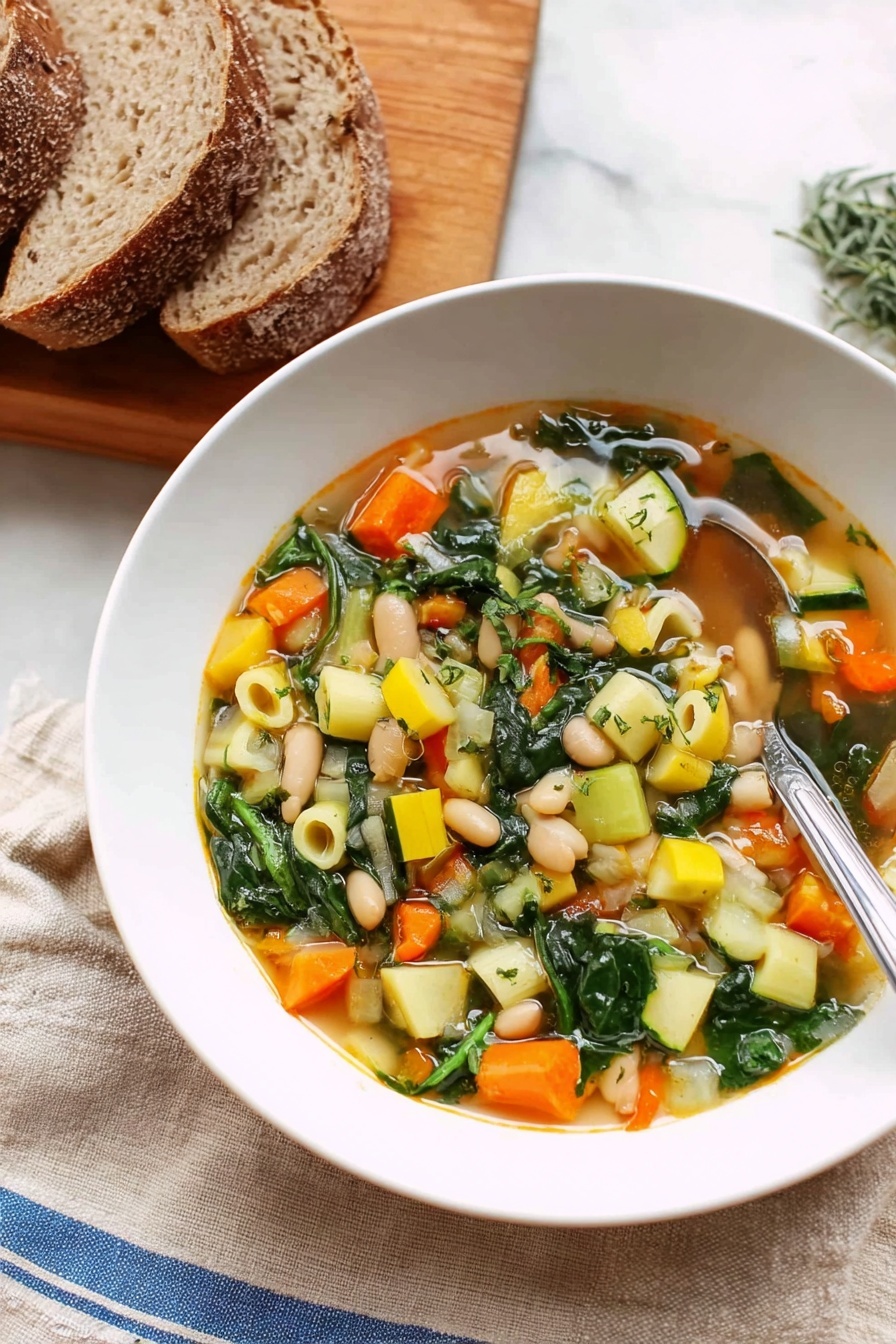
I almost always sprinkle mine with freshly chopped basil or parsley right before serving—this simple fresh herb garnish elevates the flavors with a burst of color and aroma. Sometimes I also add an extra drizzle of good-quality olive oil and a few grinds of black pepper for that final touch. If you’re feeling indulgent, a sprinkle of grated Parmesan cheese never hurts.
Side Dishes
Crusty bread is a must-have accompaniment in my kitchen, especially something rustic like a sourdough or an Italian loaf for dipping into the brothy goodness. If you want to keep it light, a simple green salad with lemon vinaigrette pairs beautifully as well. My family also loves garlic bread on the side—it’s a total crowd-pleaser!
Creative Ways to Present
For special occasions, I like serving the soup in mini bread bowls—just hollow out small rounds of bread and ladle the soup inside. It’s both fun and functional, plus everyone loves eating their soup from edible bowls! Sometimes, I finish with a pretty swirl of basil pesto on top for a fresh pop of color and flavor that never fails to impress.
Make Ahead and Storage
Storing Leftovers
I usually store leftover minestrone in airtight containers in the fridge for up to 4 days. Be sure to cool it completely before refrigerating to keep the texture fresh. When reheated, it might thicken slightly as the pasta and beans absorb broth, so you might want to add a splash of water or broth to loosen it up.
Freezing
Freezing this Hearty Minestrone Soup with Fresh Vegetables Recipe works wonderfully, especially if you leave out the pasta before freezing to avoid mushiness. Freeze it in portions for quick weekday meals, and add fresh pasta when reheating. This trick keeps the soup tasting fresh and the veggies retaining their texture.
Reheating
I reheat leftovers gently on the stovetop over medium-low heat, stirring often. If you find the soup too thick, I add a splash of water or broth. Avoid microwaving for long stretches to keep the veggies tender and the flavors vibrant. Reheating slowly is definitely key to keeping the soup as delicious as the first serving.
FAQs
-
Can I use canned beans instead of dried beans in this recipe?
Absolutely! Using canned beans is a great shortcut. Just drain and rinse 2 cups of your favorite canned beans, then add them to the soup with vegetable or chicken stock instead of the bean cooking liquid. Since canned beans are already cooked, simmer the soup at least 30 minutes to meld flavors.
-
What type of pasta works best in Hearty Minestrone Soup?
Small pasta shapes like ditali, macaroni, or orecchiette work best because they blend well with the soup’s chunky texture and hold up nicely during cooking. Avoid long noodles that can get soggy or tricky to eat in soup.
-
Can I make this soup vegetarian?
Yes! Simply omit the salt pork or pancetta and use extra olive oil to sauté the vegetables. The fresh herbs and Parmesan rind still provide plenty of rich flavor without the meat.
-
How long does it take to soak and cook the beans?
Soaking the beans overnight (at least 12 hours) is ideal to soften them. Cooking usually takes about 45 minutes on a simmer until tender. This step is crucial for tender beans and a flavorful broth.
-
Can I use canned tomatoes instead of fresh?
Definitely! If fresh ripe tomatoes aren’t in season, substituting a 14-ounce can of whole peeled tomatoes (crushed or chopped) works well. The canned tomatoes maintain a lovely acidity and sweetness key to the soup’s flavor.
Final Thoughts
This Hearty Minestrone Soup with Fresh Vegetables Recipe has become a cozy staple in my home, especially when I want something healthy, satisfying, and truly homemade. It’s the kind of recipe that feels fancy but is surprisingly forgiving and easy to make. I hope you enjoy making it as much as I do—I guarantee anyone you serve it to will ask for seconds. So grab your chopping board and let’s get cooking!
Print
Hearty Minestrone Soup with Fresh Vegetables Recipe
- Prep Time: 10 mins
- Cook Time: 100 mins
- Total Time: 13 hrs 50 mins
- Yield: 6 servings
- Category: Soup
- Method: Stovetop
- Cuisine: Italian
- Diet: Vegetarian
Description
A hearty and classic Italian minestrone soup packed with fresh vegetables, tender beans, and small pasta, simmered to perfection for a comforting and flavorful meal.
Ingredients
For the Beans
- 8 ounces (225 g) dried cannellini, borlotti, or kidney beans
- Kosher salt
- 1 medium onion, split in half (about 6 ounces; 175 g)
- 1 medium carrot (about 3 ounces; 85 g)
- 2 celery stalks (about 3 ounces; 85 g)
- 2 medium cloves garlic
- 1 large sprig rosemary
- 2 to 3 sprigs parsley
- 1 bay leaf
For the Soup Base
- 4 ounces (115 g) salt pork or pancetta, cut into 1/4-inch dice (optional)
- 2 tablespoons (30 ml) extra-virgin olive oil, plus more as needed
- 1 medium onion, finely chopped (about 6 ounces; 175 g)
- 1 medium carrot, peeled and finely diced (about 3 ounces; 85 g)
- 2 celery stalks, finely diced (about 3 ounces; 85 g)
- 1 tablespoon (15 ml) minced fresh rosemary leaves
- 2 medium cloves garlic, minced (about 2 teaspoons; 12 g)
- 1 pound (450 g) ripe Roma tomatoes, peeled, seeded, and chopped (or 1 (14-ounce) can of whole peeled tomatoes, crushed)
- 1 Parmesan rind (optional)
To Finish
- 1 cup dried small pasta, such as ditali, macaroni, or orecchiette (about 3 1/2 ounces; 100 g)
- 1 medium zucchini, cut into bite-size pieces (about 4 ounces; 115 g)
- 1 medium summer squash, cut into bite-size pieces (about 4 ounces; 115 g)
- 4 ounces green beans, cut into 1/2-inch lengths (about 115 g)
- 4 ounces spinach, roughly chopped (about 4 cups loosely packed leaves; 115 g)
- Chopped fresh herbs, such as basil, parsley, or rosemary, for serving
- Freshly ground black pepper
Instructions
- Soak Beans: In a medium bowl, cover the dried beans with cold water by several inches. Stir in 1 tablespoon of kosher salt and soak the beans for at least 12 hours, up to a full day, to soften them.
- Cook Beans: Drain and rinse the soaked beans. In a large pot, combine the beans, halved onion, carrot, celery, garlic cloves, rosemary, parsley, and bay leaf. Cover with water by several inches, add a pinch of salt, and bring to a boil. Reduce to a simmer and cook until beans are tender, about 45 minutes, occasionally adding more water if needed. Remove and discard vegetables and herbs, drain beans, and reserve cooking liquid, adding cold water to reach 2 quarts (8 cups).
- Start Soup Base: Heat pancetta (if using) and olive oil in a large Dutch oven or stockpot over medium-high heat. Cook until pancetta is softened but not browned. Alternatively, heat olive oil until shimmering if pancetta is omitted.
- Sauté Vegetables: Add finely chopped onion, carrot, celery, and minced rosemary to the pot. Season with a big pinch of salt and cook, stirring often, until vegetables are softened but not browned, about 10 to 15 minutes. Add garlic and cook until fragrant, about 30 seconds.
- Add Tomatoes: Stir in chopped tomatoes and cook until most moisture evaporates and the mixture begins to fry, indicated by a sharper crackling sound instead of simmering.
- Simmer Soup: Pour in reserved bean-cooking liquid, add the cooked beans and Parmesan rind if using, and let the broth simmer for at least 10 minutes to blend flavors.
- Add Pasta and Vegetables: Add pasta, zucchini, summer squash, and green beans to the pot. Simmer until pasta and vegetables are tender, about 10 minutes. Then stir in spinach and cook until wilted, about 5 minutes. Remove and discard Parmesan rind.
- Adjust and Serve: Serve immediately with freshly chopped herbs and freshly ground black pepper. Alternatively, simmer soup for up to 2 1/2 hours for deeper flavors, adding pasta 10–15 minutes before serving or dividing soup, simmering half longer and combining before serving for balanced texture and flavor.
Notes
- Canned beans can substitute dried beans by draining and rinsing 2 cups canned beans; use 2 quarts of vegetable or low-sodium chicken stock instead of bean cooking liquid. Increase simmer time to 30 minutes before adding vegetables and pasta.
- Use fresh, ripe, in-season tomatoes for best flavor. Otherwise, use a 14-ounce can of whole peeled tomatoes crushed by hand as a substitute.
- A Parmesan rind adds depth to the broth but can be omitted for vegetarian versions.
Nutrition
- Serving Size: 1 bowl (about 1 1/2 cups)
- Calories: 280
- Sugar: 6 g
- Sodium: 450 mg
- Fat: 7 g
- Saturated Fat: 1.5 g
- Unsaturated Fat: 5 g
- Trans Fat: 0 g
- Carbohydrates: 45 g
- Fiber: 9 g
- Protein: 12 g
- Cholesterol: 5 mg