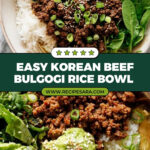

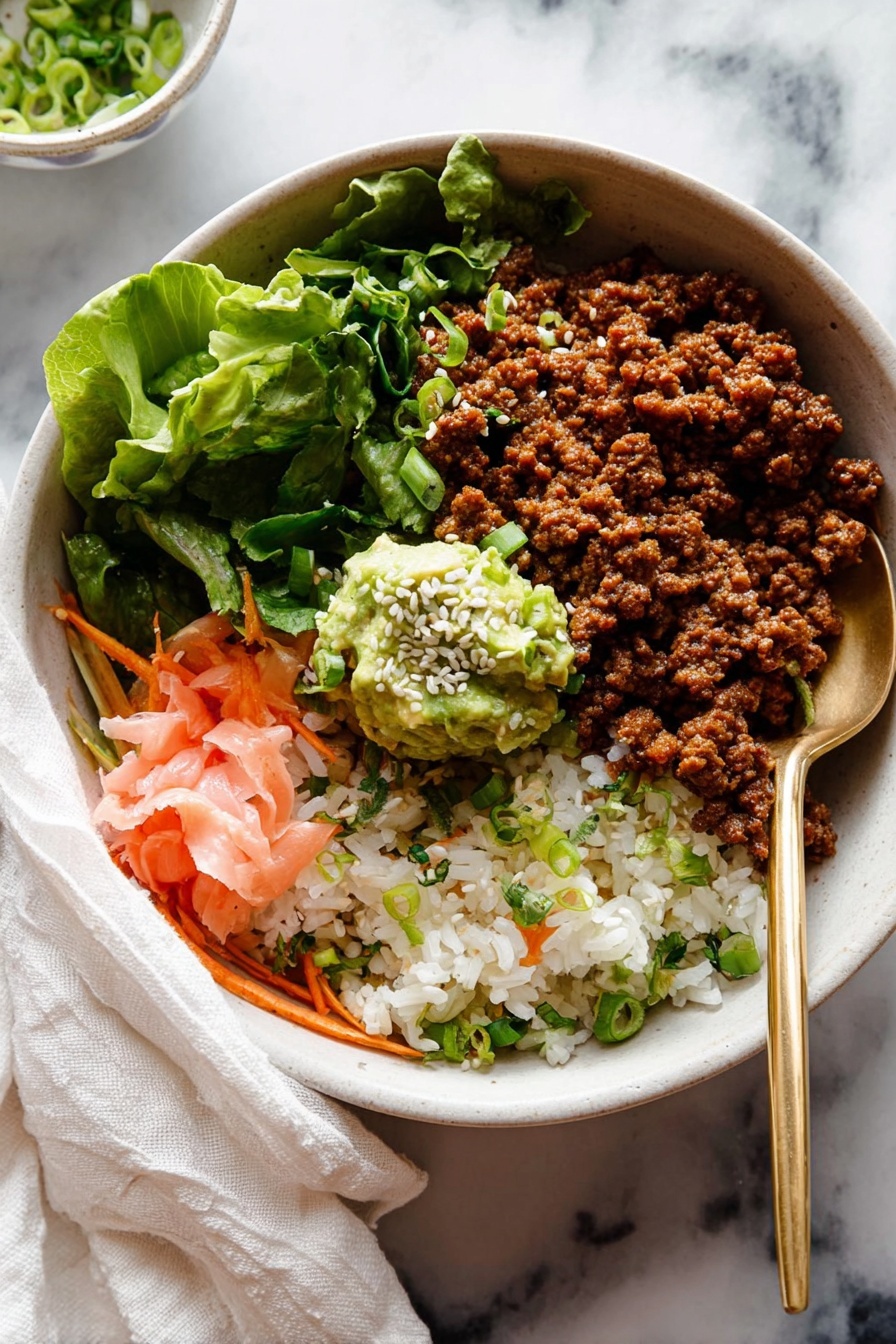
If you’re craving something that’s bursting with flavor, quick to whip up, and downright satisfying, this Korean Beef Bulgogi Rice Bowls Recipe is going to be your new go-to. I absolutely love how this recipe comes together with a sweet-savory bulgogi sauce that’s made extra special by the magic of grated apple and onion — trust me, it’s a game changer. You’ll find that assembling these bowls is not only fun but also a great way to enjoy a balance of veggies, creamy avocado, and tender, caramelized beef all in one bowl.
Why You’ll Love This Recipe
- Quick and Easy: Takes just about 25 minutes from start to finish—perfect for busy weeknights.
- Flavor Explosion: The grated apple and onion in the bulgogi sauce add natural sweetness and depth you won’t get from simple sugar.
- Flexible and Customizable: Easily swap veggies or proteins to suit your preferences or what’s in your fridge.
- Family-Friendly: This recipe has won over my whole family — leftovers never last long!

Ingredients You’ll Need
The beauty of this Korean Beef Bulgogi Rice Bowls Recipe is in the balance of fresh ingredients and savory-sweet sauces. Each element complements the other perfectly, so sourcing fresh produce and good-quality beef will really pay off here.
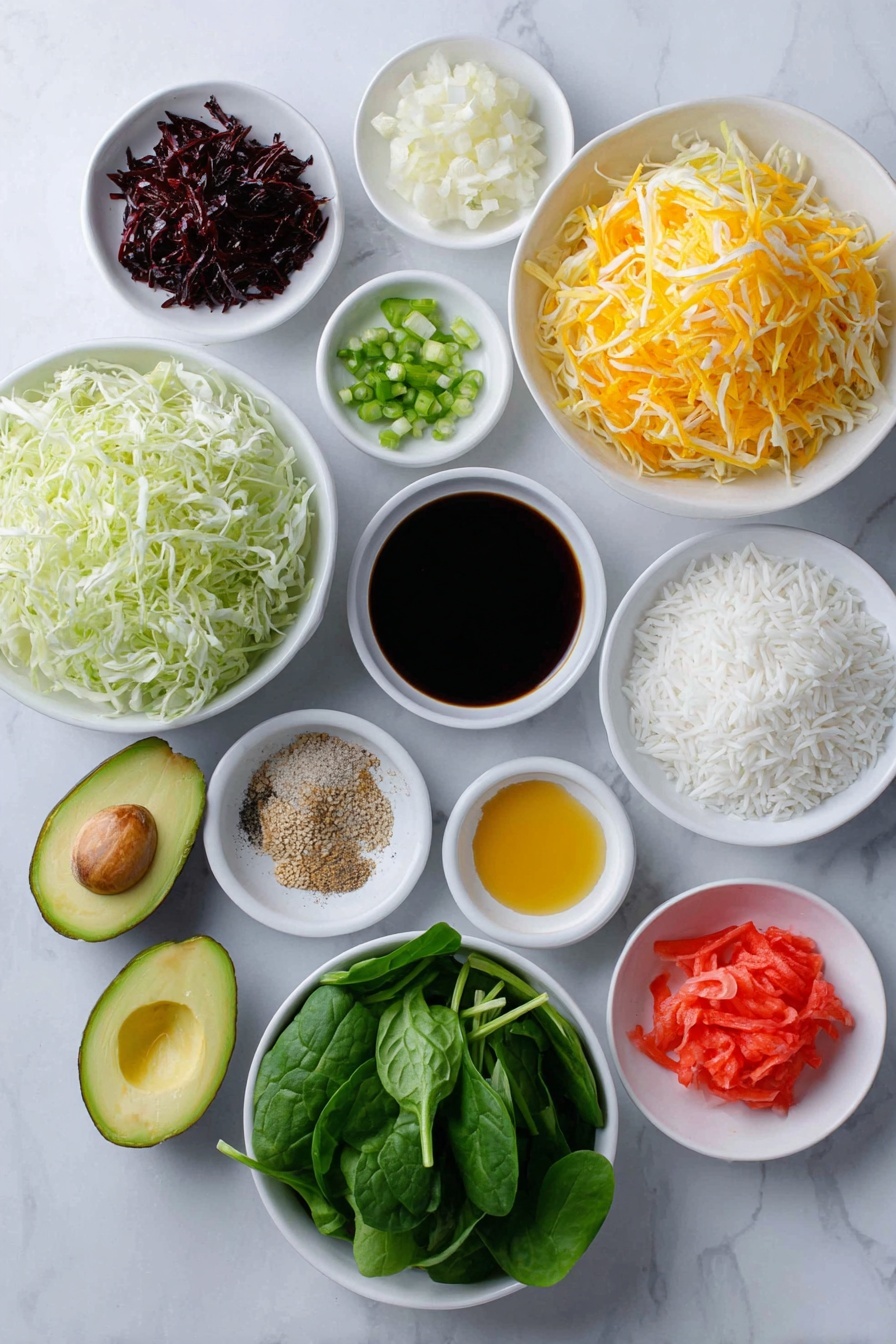
- Beef mince: I like using 80/20 for a good balance of flavor and juiciness, but leaner beef works fine.
- Canola oil: Or any neutral oil you have on hand for cooking; you want a clean flavor here.
- Onion (finely grated): Grating instead of chopping releases a sweeter, milder flavor—don’t skip this step!
- Red apple (finely grated): Adds natural sweetness and moisture; no need to peel it unless you want to.
- Garlic and ginger (finely grated): Fresh is best for that authentic zing and warmth.
- Soy sauce: Use light or all-purpose soy sauce. I swap with tamari if I’m avoiding gluten.
- Sesame oil: Adds that signature nutty aroma; use sparingly as it’s quite strong.
- Mirin: Gives a subtle sweetness and depth; you can omit or substitute if you prefer no alcohol.
- Brown sugar: Balances the tang from apple and soy sauce with gentle caramel notes.
- Black pepper: For a mild kick.
- Rice vinegar: Brightens the drizzle sauce perfectly, but apple cider vinegar works in a pinch.
- White rice: Medium or short grain is ideal for that sticky yet fluffy texture.
- Baby spinach: Quickly wilted to add freshness and color.
- Carrot: Julienned or grated for crunch and sweetness.
- Avocado: Mashed for creamy richness that balances the savory beef.
- Pickled ginger: Adds a zesty pop and beautiful color contrast.
- Baby cos/romaine lettuce: Provides fresh, crisp bites in every spoonful.
- White sesame seeds and green onion: Topping essentials for crunch and a burst of onion flavor.
Variations
I love that this Korean Beef Bulgogi Rice Bowls Recipe is super adaptable. Over time, I’ve played around with different veggies and proteins depending on what I’ve got—don’t be afraid to make it your own!
- Protein Swap: Tried it with thinly sliced chicken breast and it still nailed that bulgogi flavor. Ground turkey works well too if you want to keep it lean.
- Vegetarian Twist: Swap beef for crumbled firm tofu or shiitake mushrooms sautéed in the bulgogi sauce for a meatless but still flavorful bowl.
- Extra Veggies: Add steamed broccoli, bell peppers, or zucchini to bulk it up and add color.
- Spice Kick: Stir in a little gochujang or chili flakes if you like it spicy—my family goes crazy for the heat boost.
How to Make Korean Beef Bulgogi Rice Bowls Recipe
Step 1: Mix the Sauces with Care
Start by whisking together the bulgogi sauce ingredients in one bowl: the grated onion and apple, garlic, ginger, soy sauce, sesame oil, mirin, brown sugar, and black pepper. Trust me, this combo is what sets the flavor apart. In a separate bowl, mix the rice bowl drizzle sauce—this will be a tasty finishing touch to pour over your bowl.
Step 2: Wilt the Spinach to Brighten the Bowl
Heat 2 teaspoons of oil over high heat in a non-stick pan. Toss in half the baby spinach and sauté quickly, about 30 seconds until it starts to soften, then add the rest. Give it another 30-45 seconds till the spinach is just wilted but still vibrant green. Remove it from the pan to avoid overcooking—you want it tender, not mushy.
Step 3: Cook the Bulgogi Beef to Caramelized Perfection
Add a tablespoon of oil to the same pan and crank it back up to high heat. Toss in the ground beef and break it apart with a spatula. Once the pinkness disappears, stir in your bulgogi sauce. Keep the heat high and let the mixture simmer quickly, stirring occasionally, until the sauce reduces and almost evaporates. This is when the real magic happens—keep stirring until the beef picks up those irresistible caramelized bits but stays moist from the sauce. The intense heat will deepen the flavor and give the texture I adore.
Step 4: Assemble Your Rice Bowls
Build your bowls by starting with a base of fluffy white rice (medium or short grain works best). Pile on the caramelized bulgogi beef, then arrange the wilted spinach and fresh carrot next to it. Add a dollop of creamy mashed avocado and tuck the lettuce along the side. Top everything off with pickled ginger, sprinkle with white sesame seeds, and scatter sliced green onion. Serve with your drizzle sauce on the side — I love pouring it over just before digging in!
Pro Tips for Making Korean Beef Bulgogi Rice Bowls Recipe
- Grate Don’t Chop: I discovered this trick when I started grating the apple and onion—it gives your sauce a silky texture and authentic sweet flavor that diced bits can’t match.
- Use High Heat for Caramelization: Cooking the beef on high heat lets the sugars in the sauce caramelize quickly for that deep, rich color and flavor—just watch it closely so it doesn’t burn.
- Wilt Spinach Quickly: Overcooked greens lose their vibrant color and texture; flip and toss fast to keep them fresh and soft.
- Don’t Skip the Drizzle Sauce: It ties the whole bowl together and adds a tangy-sweet pop that livens every bite.
How to Serve Korean Beef Bulgogi Rice Bowls Recipe
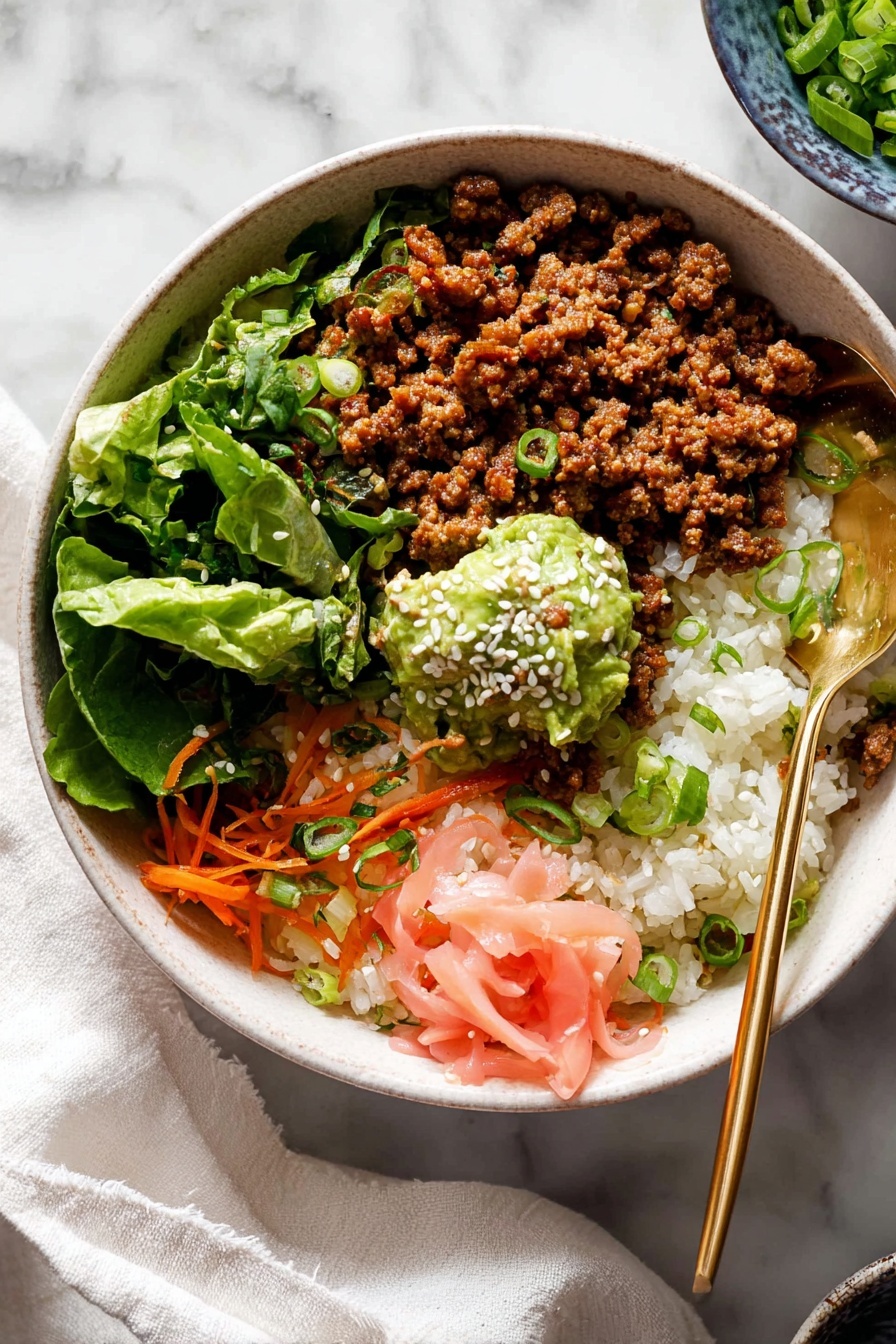
Garnishes
I always top these bowls with a sprinkle of white sesame seeds and sliced green onion because they add that extra crunch and subtle burst of fresh flavor. Pickled ginger brings a zesty contrast that balances the savory beef beautifully. Don’t underestimate how much these small touches elevate your final dish.
Side Dishes
To keep things authentic and complete, I often serve these bowls with simple kimchi or a quick cucumber salad seasoned with sesame oil and a pinch of chili flakes. A miso soup on the side also complements the meal nicely without overpowering the flavors.
Creative Ways to Present
For a special occasion, I like to layer the ingredients in a clear glass jar—layered rice, beef, vibrant veggies, then the avocado and pickled ginger on top, finished with sesame seeds. It makes a beautiful presentation and is perfect for sharing photos (or impressing guests!). You can also serve the beef separately with rice and veggies so everyone assembles their own bowls, which makes dinner interactive and fun.
Make Ahead and Storage
Storing Leftovers
I like to store leftover bulgogi beef separately in an airtight container in the fridge—it keeps well up to 3 days. The fresh veggies and rice are best stored separately to maintain texture and freshness until you’re ready to reheat and assemble.
Freezing
I’ve frozen the cooked bulgogi beef before without issue. Just freeze it in a flat layer in a freezer bag for up to 3 months. When you want to enjoy it again, thaw overnight in the fridge for best results.
Reheating
Reheat the beef gently in a pan over medium heat, adding a splash of water or a little extra sesame oil if it feels dry. Microwave works in a pinch, but stirring midway helps keep it moist and evenly heated. Warm the rice and veggies separately to avoid sogginess.
FAQs
-
Can I use thinly sliced beef instead of ground beef for this recipe?
Absolutely! Traditional bulgogi uses thinly sliced beef, and it works wonderfully here, especially if you marinate it in the same sauce for 30 minutes to an hour before cooking. Ground beef is just a quicker, more budget-friendly alternative.
-
What if I don’t have mirin—can I still make the bulgogi sauce?
Yes, no worries! You can substitute mirin with a bit of Chinese cooking wine or sake combined with a pinch of brown sugar, or simply omit it altogether—the sauce will still be delicious but with slightly less depth.
-
Is it okay to prepare this recipe ahead of time?
Definitely! You can make the bulgogi beef a day ahead and keep it refrigerated to let the flavors meld even more. Just reheat and assemble fresh when you’re ready to eat to keep the veggies crisp.
-
What’s the best rice to use for Korean Beef Bulgogi Rice Bowls Recipe?
I recommend medium or short-grain white rice because it’s slightly sticky, which helps hold the bowl together and provides that classic texture that pairs perfectly with the beef and toppings.
Final Thoughts
When I first tried this Korean Beef Bulgogi Rice Bowls Recipe, it quickly became a favorite because it feels indulgent but is so approachable to make. Whether you’re feeding family, meal prepping, or just want a deliciously balanced bowl, you’ll enjoy how the flavors marry and how fast it comes together. I promise, once you try it, you’ll keep coming back to this recipe time and time again—grab that apple, get your grater ready, and make it happen!
Print
Korean Beef Bulgogi Rice Bowls Recipe
- Prep Time: 15 minutes
- Cook Time: 10 minutes
- Total Time: 25 minutes
- Yield: 4 to 5 servings
- Category: Main Course
- Method: Stovetop
- Cuisine: Korean
Description
This Korean Beef Bulgogi Rice Bowls recipe offers a quick and flavorful way to enjoy classic bulgogi using ground beef. With a homemade bulgogi sauce featuring grated onion and apple for natural sweetness and tenderness, this dish combines caramelized beef with wilted spinach, fresh vegetables, and a savory drizzle sauce over steamed rice, creating a delicious and balanced meal perfect for weeknights.
Ingredients
Beef and Oil
- 500g / 1 lb beef mince (ground beef), any fat % you like
- 1 tbsp canola oil (or any other plain flavoured oil)
- 2 tsp canola oil (to wilt baby spinach)
Bulgogi Sauce
- 1 tbsp onion, finely grated (~1/4 onion)
- 3 tbsp red apple, finely grated (skin on is fine, ~1/2 apple)
- 3 garlic cloves, finely grated
- 1 tsp ginger, finely grated
- 2 1/2 tbsp soy sauce (all-purpose or light)
- 1 tbsp sesame oil
- 1 tbsp mirin (omit for no alcohol)
- 1 tbsp brown sugar
- 1/8 tsp black pepper
Rice Bowl Drizzle Sauce
- 2 tbsp soy sauce (all-purpose or light)
- 1 tbsp sesame oil
- 2 tsp brown sugar
- 2 tsp rice vinegar (or apple cider vinegar)
Rice Bowl Toppings
- white rice (medium or short grain, if you can)
- 4 large handfuls baby spinach (or similar chopped leafy greens – cabbage, kale)
- 1 large carrot, peeled and julienned or grated
- 1 avocado, mashed
- 1/4 cup pickled ginger (preferably pink for color)
- 1 1/2 cups baby cos / romaine lettuce, torn into bite size pieces
- 1 tsp white sesame seeds
- 1 green onion, finely sliced
Instructions
- Mix Sauces: In two separate bowls, combine the ingredients for the Bulgogi sauce and for the rice bowl drizzle sauce to prepare the flavorful dressings.
- Wilt Spinach: Heat 2 teaspoons of canola oil in a large non-stick pan over high heat. Add half the spinach and toss with tongs until semi-wilted (~30 seconds), then add the rest and toss until fully wilted (~1 minute). Remove the spinach from the pan and set aside in a bowl.
- Cook Bulgogi Beef: Add 1 tablespoon of oil to the same pan over high heat. Add the ground beef and cook, breaking it up with a spatula, until no raw meat remains. Stir in the prepared Bulgogi sauce, letting the mixture simmer rapidly and stirring occasionally until the sauce mostly evaporates. Continue cooking and stirring until the beef caramelizes slightly while remaining moist with sauce.
- Assemble Bowls: Spoon cooked beef over cooked white rice in bowls. Arrange the wilted spinach and julienned carrot on the side. Add a dollop of mashed avocado and top with pickled ginger. Tuck baby cos or romaine lettuce alongside. Sprinkle the dish with white sesame seeds and sliced green onion. Serve with the rice bowl drizzle sauce to pour over the bowl just before eating.
Notes
- Apple and onion should be finely grated using a microplane or box grater to maximize flavor. The apple adds natural sweetness and tenderizes the beef subtly.
- For gluten-free option, substitute soy sauce with tamari. Avoid dark soy sauce or kecap manis, which can overwhelm the dish.
- Mirin can be replaced with Chinese cooking wine or cooking sake plus 1/2 teaspoon brown sugar, or omitted for no alcohol.
- Leftover cooked beef can be stored in the fridge for up to 3 days or frozen for up to 3 months. When reheating, add a splash of water to keep moist.
Nutrition
- Serving Size: 1 bowl (including 1 cup cooked rice and toppings)
- Calories: 480 kcal
- Sugar: 9 g
- Sodium: 850 mg
- Fat: 20 g
- Saturated Fat: 5 g
- Unsaturated Fat: 12 g
- Trans Fat: 0 g
- Carbohydrates: 45 g
- Fiber: 6 g
- Protein: 28 g
- Cholesterol: 65 mg